We may earn money or products from the companies mentioned in this post.
A useful power-outage plan starts with ordinary household needs: light, information, safe food, water and somewhere safe to stay. You do not need to buy every gadget at once. Use this checklist to identify the gaps that matter most for your home.
The practical answer
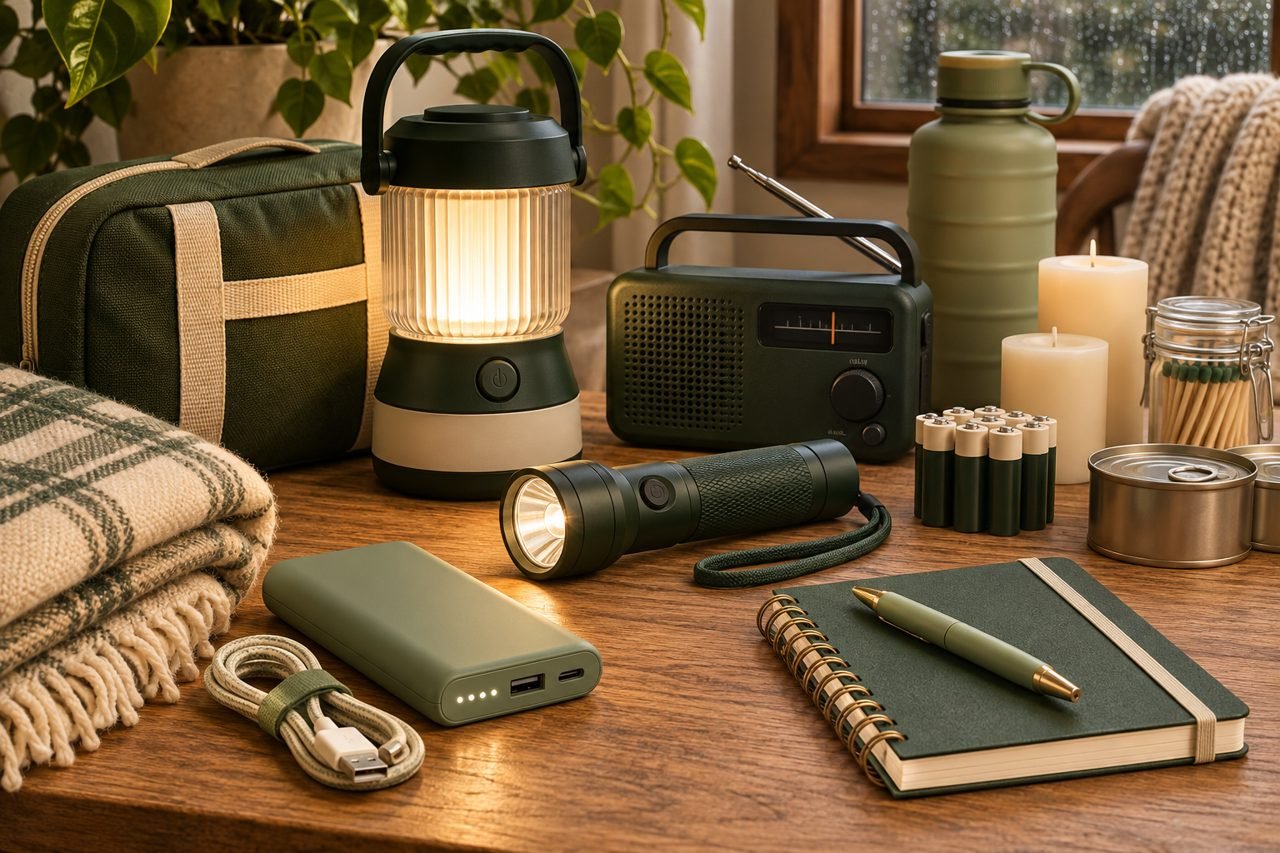
Prepare portable lighting, charged communications, safe water and ready-to-eat food. Write down what you will do if your home becomes unsafe or essential equipment stops. Keep fuel-burning equipment outdoors and follow local emergency instructions.
Start with the people, not the equipment
List the people and pets who depend on your home. Note mobility needs, essential routines and who could help if you must leave. Ask clinicians, pharmacists and equipment suppliers for an outage plan specific to medicines and medical devices before an emergency. A consumer power bank is not automatically suitable for life-support equipment.
Make a small lighting and communication station
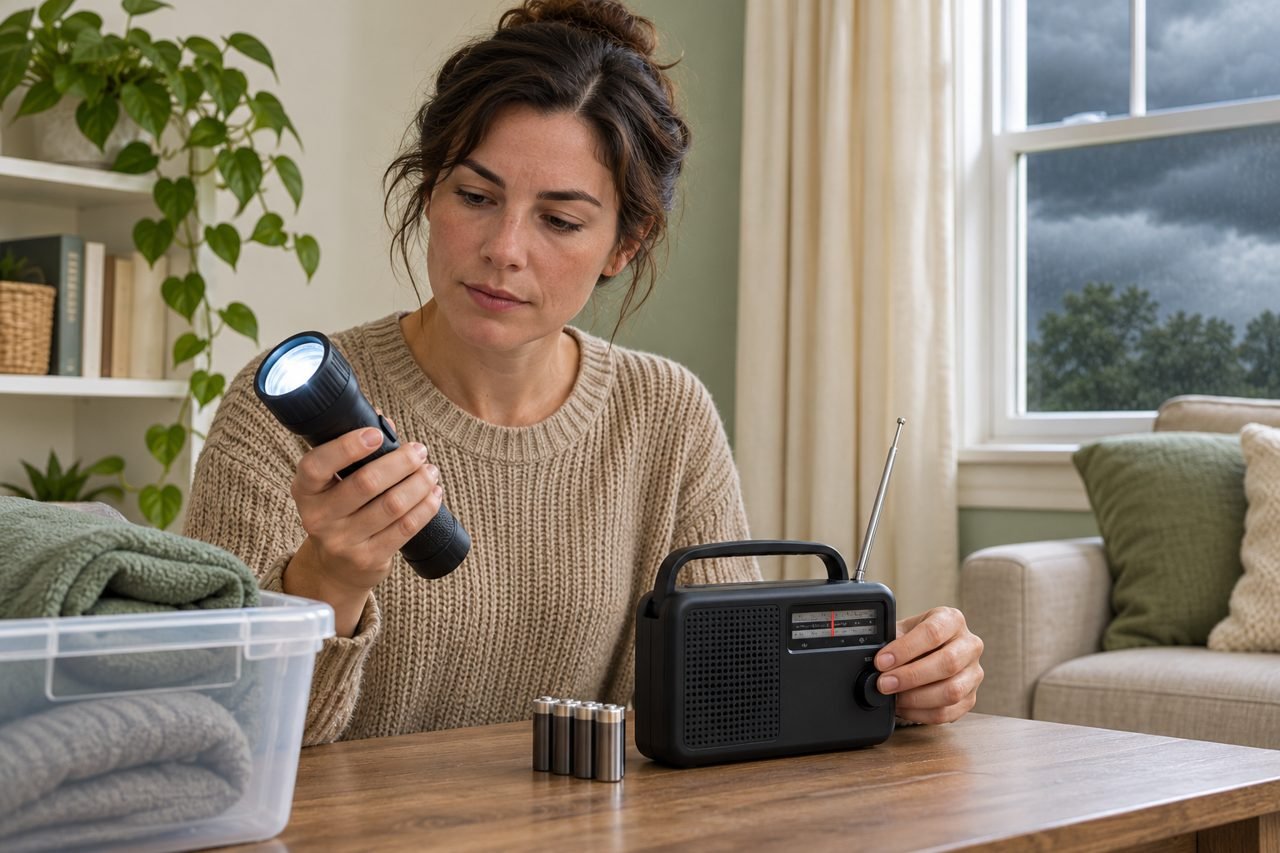
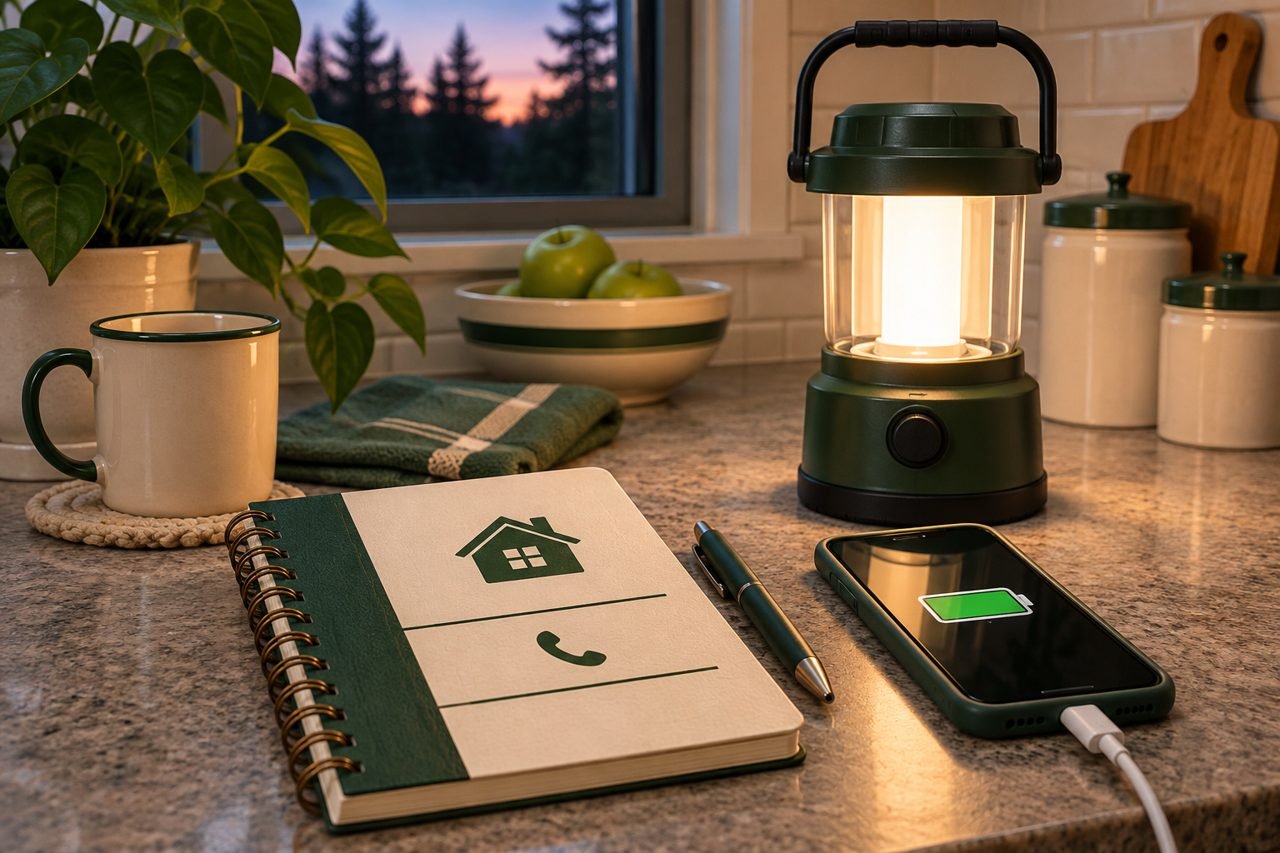
Keep a flashlight or LED lantern where you can find it in the dark. Check batteries and charge phone power banks according to their instructions. Store the correct cables with them. Keep emergency contacts on paper so a flat phone does not erase your plan. Choose a battery radio if it suits your household and learn how to use it before an outage.
Choose backup power by its actual job
Write down which devices you want to run, their power requirements and the time you need them. Check manufacturer compatibility and operating limits before buying a battery system. Advertised battery capacity is not the same as guaranteed runtime. For home electrical connections, use a qualified electrician and approved equipment; do not improvise connections or backfeed a wall outlet.
Treat combustion equipment as an outdoor hazard
CDC warns that portable generators must never run inside a home, basement or garage, even with doors open. Keep them outdoors more than 20 feet from windows, doors and vents. Use working battery-backed carbon-monoxide detection. Never bring charcoal grills or camping stoves indoors, and do not heat a home with a gas oven. If an alarm sounds or poisoning is suspected, move to fresh air and call emergency services.
Protect food without repeatedly opening the fridge
Keep refrigerator and freezer doors closed. Federal guidance gives about four hours for an unopened refrigerator, and approximately 48 hours for a full unopened freezer or 24 hours for a half-full one. Use appliance thermometers and the official food-by-food chart; these time estimates are not permission to keep food that has warmed unsafely. Never taste food to decide whether it is safe.
Decide when staying home stops being safe
Plan an alternative location for dangerous heat or cold, essential equipment failure, or instructions to evacuate. Write down transport options and pet arrangements. Do not wait for every battery to fail before considering relocation. Check local alerts and your utility’s reporting channel, and avoid downed wires and damaged equipment.
Practice one small part of the plan
Try finding the lantern, opening the contact sheet and connecting a phone charger without searching cupboards. Keep the practice safe; there is no need to switch off essential equipment. Afterward, write down what was missing. Start with our household inventory guide, then build your water supply and no-cook pantry.
Sources and next step
Reviewed November 27, 2026. CDC power-outage safety · FoodSafety.gov outage chart
Follow current local emergency instructions. This guide is general household planning, not individualized medical or technical advice.
Optional paid preparedness reading
Urban Survival Code is sold as a digital preparedness guide, not a physical emergency kit. The seller currently advertises $39 and a 60-day refund period; check the checkout total and refund conditions before paying. We have not purchased or tested the guide. Its sales page uses dramatic disaster claims that we have not verified. Use official emergency guidance for safety decisions.
The checklist on this page is free. Buying a digital guide does not supply backup power or emergency equipment.
Optional paid resource: Dark Reset
A paid digital preparedness guide. The seller advertises a $37 offer and a 60-day refund period. We have not purchased or tested it, and we do not verify or endorse the disaster predictions on its sales page. Review the current checkout total, format and refund conditions before buying.